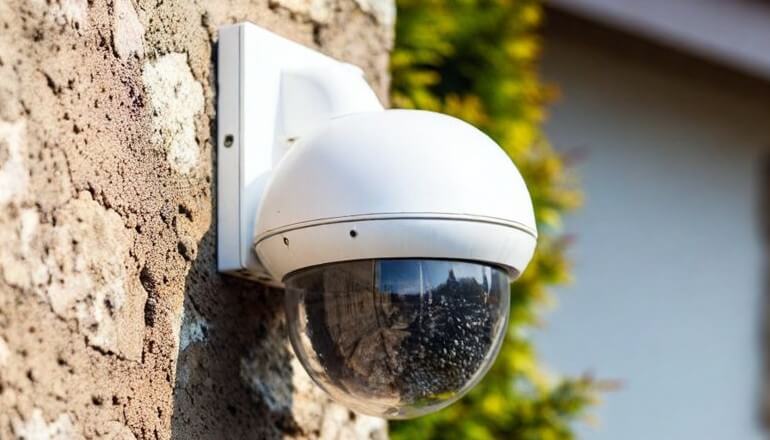
Your Home, Your Security: A Guide to CCTV for UK Households
Securing your home is about more than just locks and alarms. With the rise of affordable, user-friendly CCTV systems, many UK homeowners are turning to cameras to improve safety, watch over loved ones, and deter unwanted visitors.
This guide will help you understand the different types of CCTV systems, their features, and what you need to know about staying compliant with UK laws.
Why Install CCTV at Home?
There are plenty of reasons why CCTV is a smart move:
- Acts as a Visual Deterrent – Thieves and vandals are less likely to target homes with cameras.
- Captures What Matters – Footage can be vital in criminal investigations or insurance claims.
- Check In from Anywhere – Monitor your home remotely with live video through an app.
- Gives Everyday Reassurance – Watch pets, keep an eye on parcels, or support vulnerable family members.
CCTV Options for UK Homes
CCTV systems fall into a few main categories. Here’s what you need to know:
Wired CCTV
- Very reliable with high-quality video
- Harder to install (often requires a pro)
- Best for permanent setups with full property coverage
Wireless CCTV
- Easier to install and relocate
- Connects via Wi-Fi, so performance depends on your signal
- Great for renters or smaller homes
Smart CCTV Systems
- Access footage via mobile apps and cloud storage
- May connect with Alexa, Google Home, or other smart devices
- Subscription fees may apply for full cloud features
Indoor vs Outdoor Cameras
Different locations call for different cameras:
- Outdoor Cameras: Built to withstand the elements, often with features like motion sensors, night vision, or floodlights.
- Indoor Cameras: Compact and discreet, ideal for interior spaces like hallways or nurseries.
Useful features to look for:
- HD recording (1080p minimum)
- Motion detection alerts
- Two-way talk
- Local (SD card) or cloud-based video storage
Know the Law: UK CCTV Rules for Home Use
If your cameras film beyond your property line—like a street or a neighbour’s garden—you’re responsible under UK GDPR and the Data Protection Act 2018.
To stay on the right side of the law:
- Post Signage: Let people know they’re on camera.
- Only Record for Security: Don’t use your footage for anything else.
- Respect Privacy: People have the right to access footage they appear in.
- Limit Storage: Delete recordings once they’re no longer needed.
If you only capture your own property, GDPR won’t apply—but following best practices is still a good idea.